
John Mott, Pastors, Global Mission: On This Day
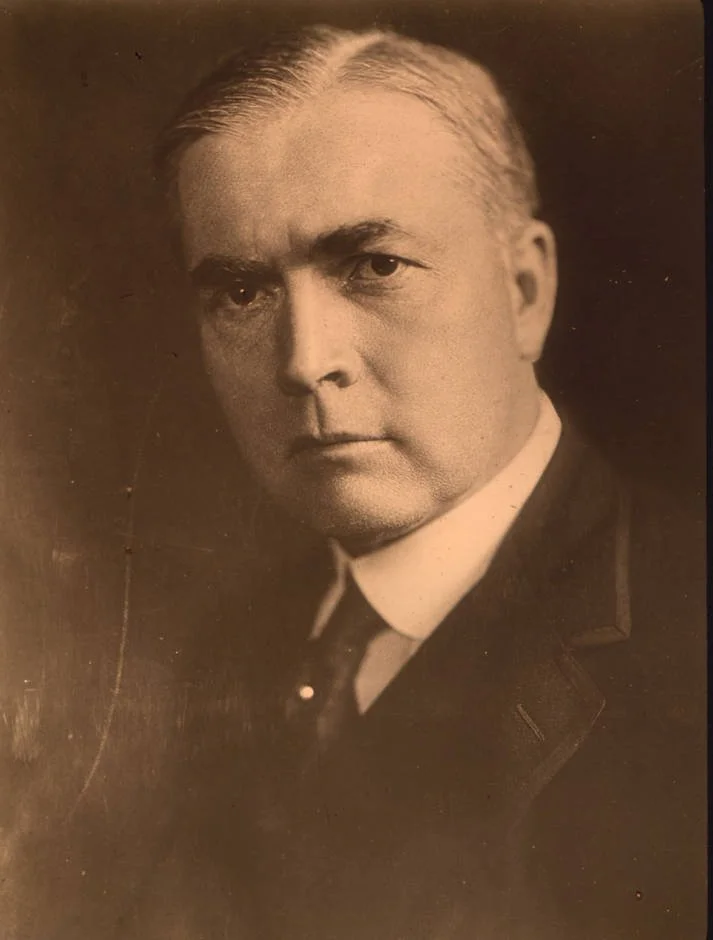
Today (January 31) marks the anniversary of John Mott’s death in 1955.
Mott was a fascinating individual. He studied at Cornell, was a leader in the Y.M.C.A., carried on extensive international travel, published numerous books, and received the Nobel Peace Prize (1946).
For most of us at this blog, Mott was known for his role as the chairman of the executive committee of the Student Volunteer Movement for Foreign Missions and chair of the International Missionary Council. We also recall his oversight provided during the Edinburgh World Missionary Conference (1910).
However, Mott was also a man who recognized the significance of church leadership in relation to Christ’s global cause. In 1900, he wrote one of his most important works. Evangelization of the World in This Generation still has much relevance today. Consider the following statement directed toward pastoral leaders:
It is essential that the leaders of the Church in the home lands. . . regard the evangelization of the world as a primary obligation and devote themselves to its accomplishment (190).
Mott understood at the turn of the century the general and widespread attitude of church leaders did not reflect a zeal for the global task. World evangelization had become a side issue and not the chief object for which the Church exists (191).
His challenge was clear: While the call to evangelize was addressed to the whole Church a special responsibility rests upon the home pastor because he has been divinely appointed to lead the forces. He holds a key position. If he lacks the missionary spirit; if he is not fully persuaded that the cause of missions is the cause of Christ Himself, his church will not be missionary. As the pastor so the people, is generally true in relation to this subject (191-92).
Mott was so convinced of the importance of the role of local church leadership about world evangelization that he published a 250-page book, four years later, titled The Pastor and Modern Missions: A Plea for Leadership in World Evangelization. The book was ahead of its time. In addition to describing the global status of evangelization, Mott addressed the pastor’s role as an educational force, financial force, recruiting force, and spiritual force within the church.
Near the beginning of the book, he wrote:
The secret of enabling the home Church to press her advantage in the non-Christian world is one of leadership. The people do not go beyond their leaders in knowledge and zeal, nor surpass them in consecration and sacrifice. The Christian pastor, minister, rector—whatever he may be denominated—holds the divinely appointed office for inspiring and guiding the thought and activities of the Church (vii).
Now, that’s some missiological food for thought on this day.
I encourage you to check out some of Mott’s writings. Also, portions of this post were taken from my new book Understanding Evangelism: Biblical Foundations, Historical Developments, and Contemporary Issues. And, if you are near the Birmingham, Alabama area on February 26, the department of Christian Ministry at Samford University will be hosting The Sending Shepherd Conference, addressing the role of church leaders in the Great Commission.